Les panneaux d'indication
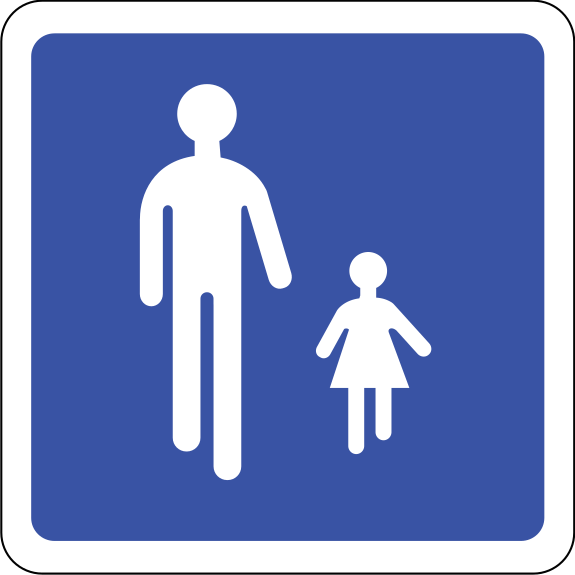
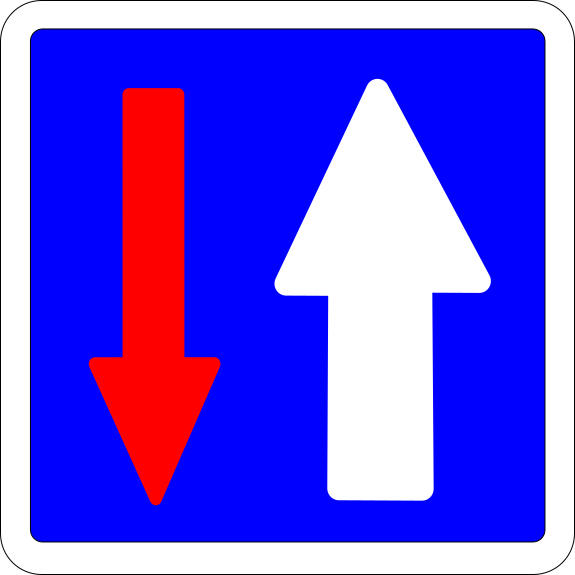
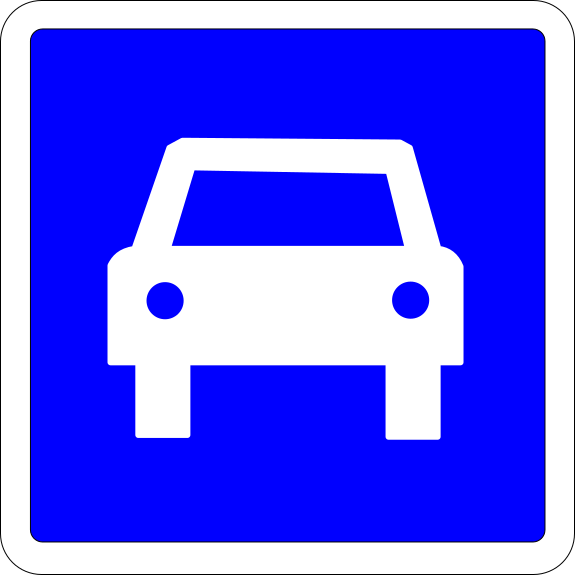
Les panneaux carrés à fond bleu informent et conseillent, sans imposer d'ordre strict.
Mis à jour le 15 juin 2026
Les panneaux d'indication : le bleu qui informe
Les panneaux d'indication ont une forme carrée. Ils n'imposent rien et n'interdisent rien : ils fournissent des informations utiles pour faciliter votre trajet. Il en existe deux grandes familles selon leur apparence.
Carré + fond bleu = indication relative à la conduite. Carré + fond blanc avec liseré bleu = services et aménagements.
Les indications de conduite (fond bleu)
Ces panneaux vous informent sur l'organisation de la circulation : sens unique, passage piéton, voie sans issue, réduction du nombre de voies, emplacement d'arrêt d'urgence, etc. Ils ne vous obligent pas à faire quelque chose, ils vous aident à comprendre la situation.


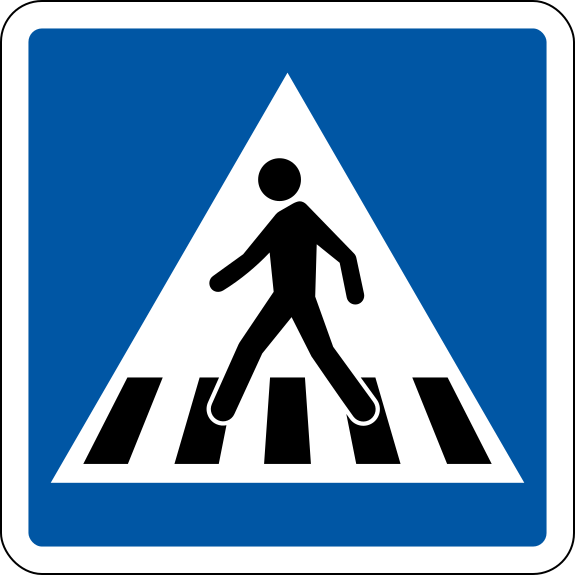
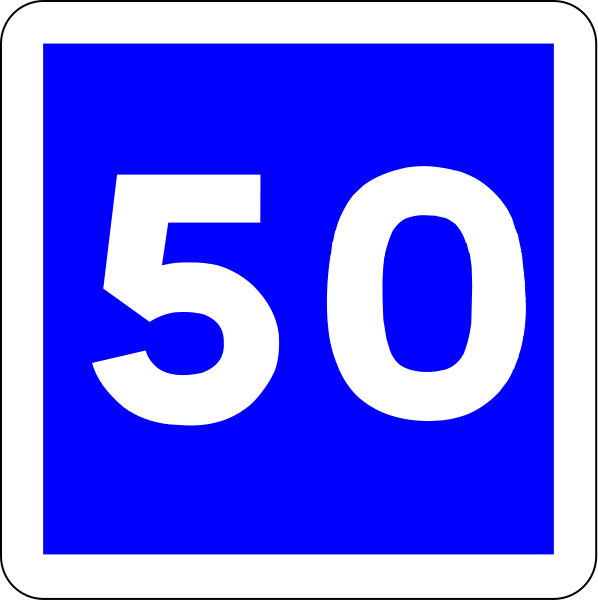

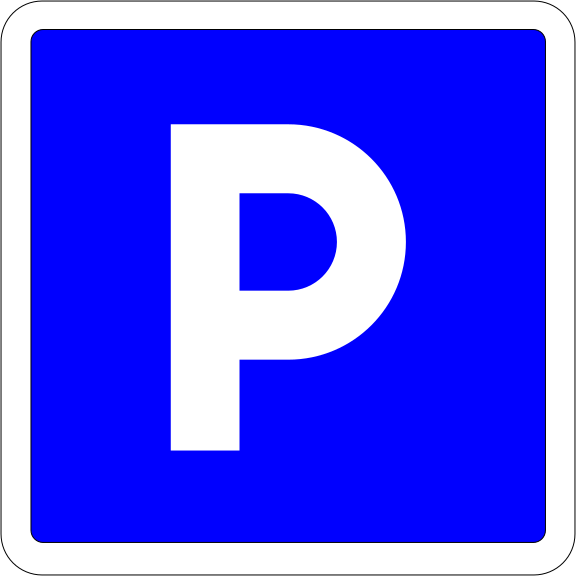
Le panneau de vitesse conseillée (chiffre sur fond bleu carré) ne doit pas être confondu avec la limitation de vitesse (chiffre sur fond blanc rond bordé de rouge). La vitesse conseillée est une recommandation, pas une obligation.
Piste cyclable : obligation ou indication ?
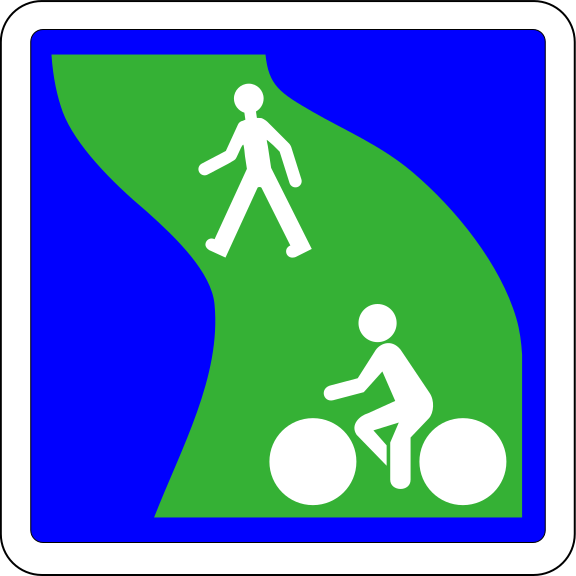
Attention à bien distinguer deux panneaux proches mais très différents. Le panneau rond bleu avec un vélo est un panneau d'obligation : les cyclistes doivent emprunter cette piste. Le panneau carré bleu avec un vélo est un panneau d'indication : il signale l'existence d'une piste cyclable, mais les cyclistes ne sont pas obligés de l'utiliser et peuvent circuler sur la voie principale.
Piège fréquent à l'examen : quand la piste cyclable est seulement « indiquée » (panneau carré), des cyclistes peuvent tout à fait rouler sur la chaussée principale. Ne soyez pas surpris !
Les services et aménagements (fond blanc, liseré bleu)
Ces panneaux signalent la présence d'installations à proximité : poste de secours, station-service, hôpital, aire de repos, point d'information. Ils sont carrés avec un fond blanc entouré d'un liseré bleu, ce qui les distingue visuellement des panneaux d'indication de conduite.
Les panneaux de localisation et de direction
Les panneaux rectangulaires servent à la localisation (nom de ville, de lieu-dit, de cours d'eau). Les panneaux en forme de flèche orientent vers une destination. Les couleurs indiquent le type de route : bleu pour l'autoroute, vert pour les nationales ou départementales importantes, blanc pour les destinations locales, jaune pour les itinéraires bis ou de substitution, et marron pour les sites touristiques.
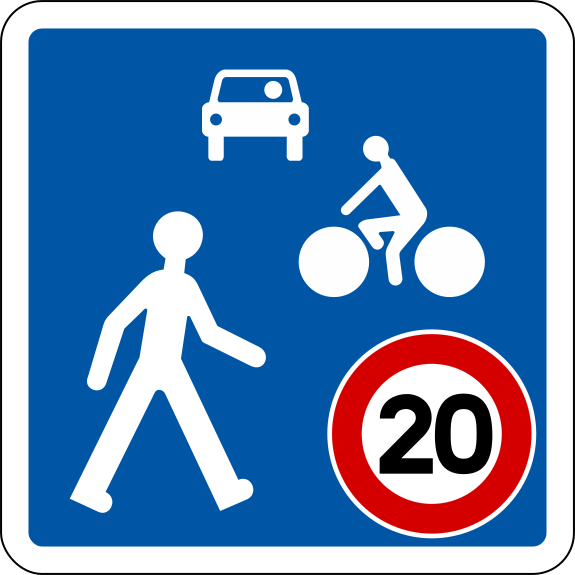
D'autres indications utiles



À retenir
- Carré bleu = indication de conduite (information utile sans obligation).
- Carré blanc avec liseré bleu = services et aménagements.
- Les panneaux de direction utilisent un code couleur : bleu (autoroute), vert (nationale), blanc (local), jaune (bis), marron (tourisme).
- La vitesse conseillée (carré bleu) n'est pas une obligation contrairement à la limitation (rond rouge).
Testez-vous
Un panneau carré bleu avec un vélo signifie :
- ○Les cyclistes doivent obligatoirement utiliser cette piste
- ✓Il existe une piste cyclable, mais son usage n'est pas obligatoire
- ○Les vélos sont interdits sur cette route
- ○Fin de la piste cyclable
Bonne réponse : Il existe une piste cyclable, mais son usage n'est pas obligatoire
Quelle couleur de panneau de direction indique un itinéraire bis ?
- ○Bleu
- ○Vert
- ○Blanc
- ✓Jaune
Bonne réponse : Jaune
Sources : Sécurité routière (securite-routiere.gouv.fr) et service-public.fr.