Traffic and manoeuvre prohibitions
Round red-bordered signs that forbid a direction, a manoeuvre or overtaking.
Updated 13 June 2026
The role of prohibition signs
Prohibition signs impose a restriction that all road users must obey. They can limit speed, prohibit a manoeuvre (turning, making a U-turn, overtaking) or block access for certain categories of vehicle. Ignoring a prohibition sign is an offence punishable by a fine and penalty points.
Round shape + red border + white background = prohibition. Remember this combination — it comes up constantly in the exam.
When does the prohibition start and end?
Unlike danger signs that warn of a hazard further ahead, the prohibition takes effect immediately at the sign. It ends in three situations: at the next junction, when an end-of-prohibition sign appears, or when a new sign changes the rule.
If a distance sub-sign is placed beneath the prohibition sign (e.g. 'in 200 m'), the prohibition does not start at the sign but at the distance indicated.
Speed limits
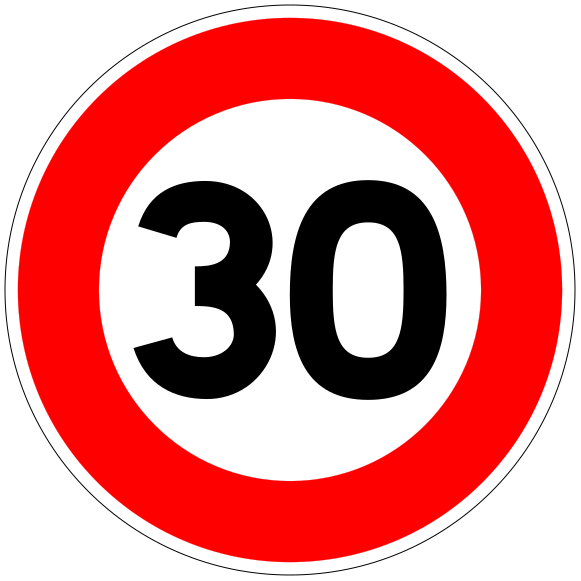
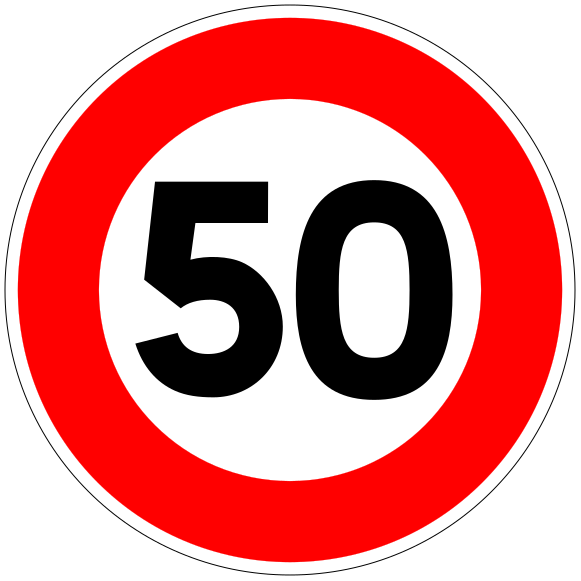
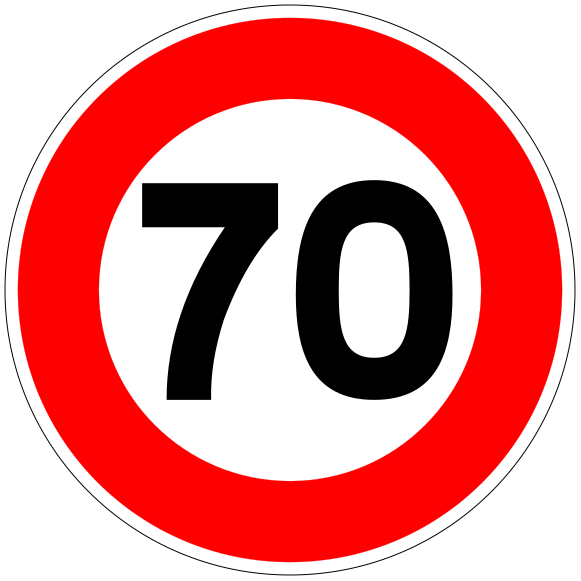
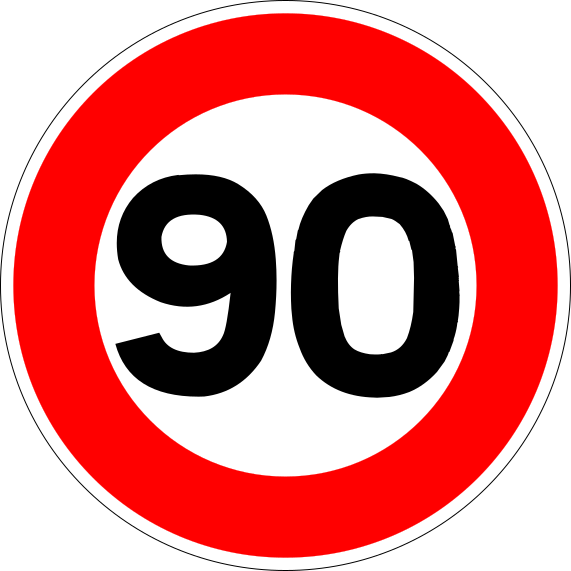
Speed limit signs are the most common. The number inside the red circle represents the maximum permitted speed in km/h. This limit applies to all vehicles, unless a sub-sign specifies a particular category.
Manoeuvre and access prohibitions

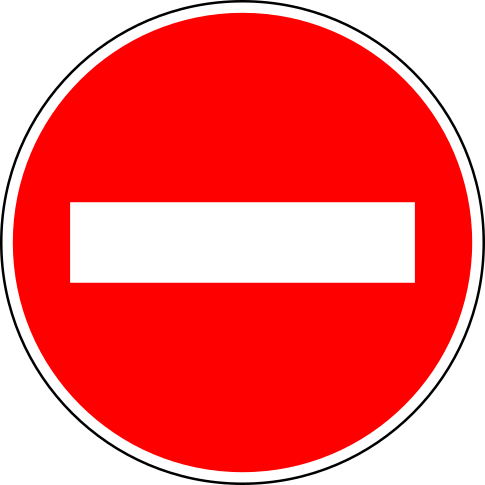
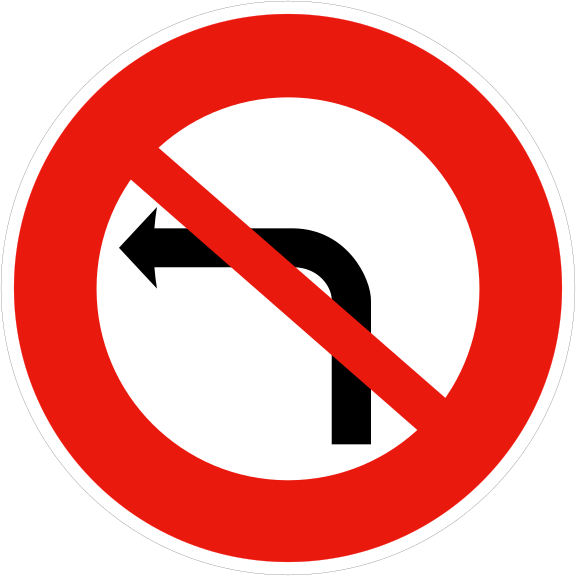
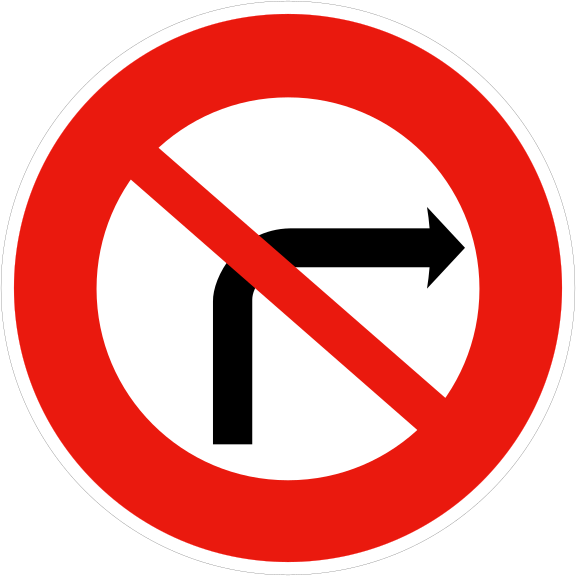
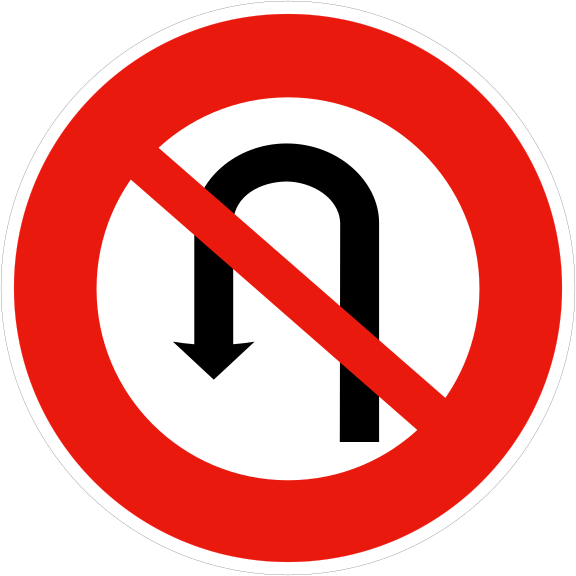
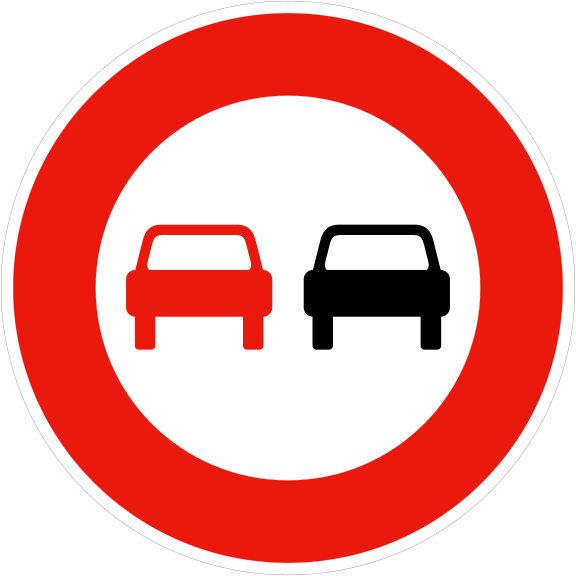

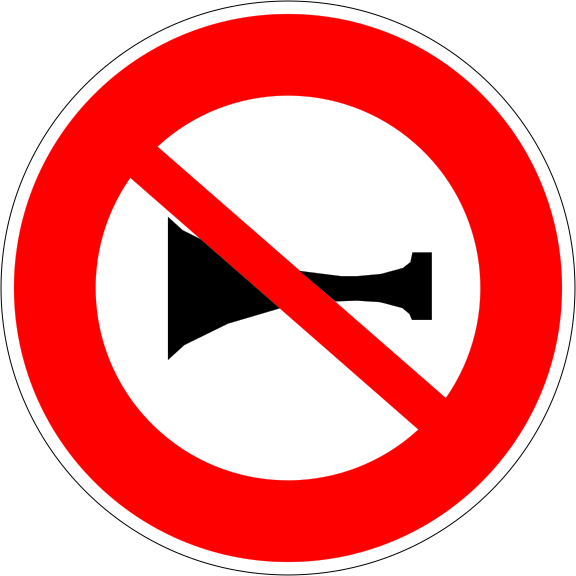
The 'No entry' sign is special: it is the only prohibition sign with a red background (not white). It indicates that the street operates in the opposite direction and you absolutely cannot enter it.
The 'No overtaking' sign applies to motor vehicles only. You can always overtake a cyclist or a towed vehicle, even in a no-overtaking zone.
Sub-signs: exceptions and clarifications
A sub-sign placed beneath a prohibition sign can either restrict its application to a category of vehicle or grant an exception. For example, a sub-sign reading 'Except cycles' beneath a no-entry sign means that cyclists are allowed to ride in this street in the opposite direction.
Classic trap: when two prohibition signs are stacked vertically (one above the other), they must be read separately. A 50 km/h sign above a no-lorries sign means: speed limited to 50 for everyone AND lorries prohibited. It does not mean '50 km/h for lorries only'.
Zone signs
Zone signs (such as Zone 30) work differently from standard prohibition signs. The prohibition does not end at the next junction: it remains in force throughout all streets in the zone, until you encounter an end-of-zone sign. This is a fundamental difference to remember.
Standard round sign: the prohibition ends at the next junction. Zone sign: the prohibition continues past junctions until the end-of-zone sign.
End-of-prohibition signs
End-of-prohibition signs are recognised by their white or grey background crossed by a black line (not red). Do not confuse them with prohibition signs themselves, which have a red border and a red line.

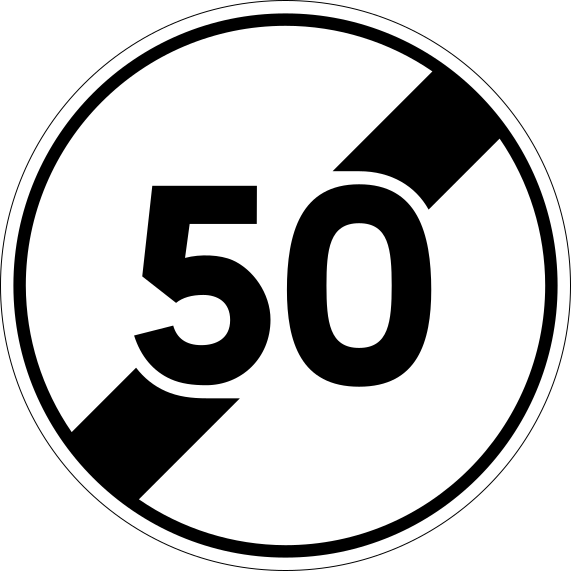

The end-of-all-prohibitions sign cancels all current restrictions EXCEPT no-stopping and no-parking restrictions. These remain in force despite this sign.
Parking and stopping
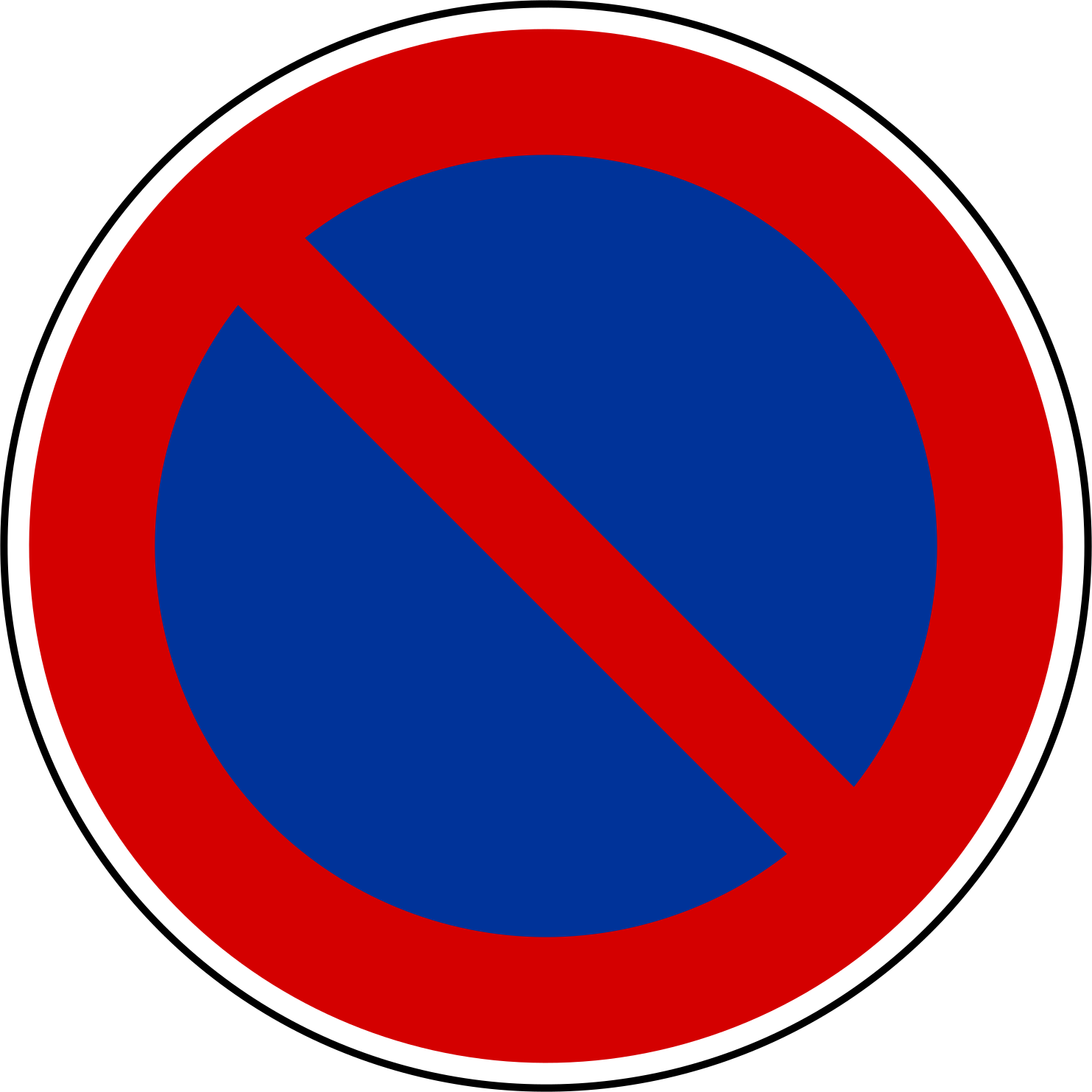
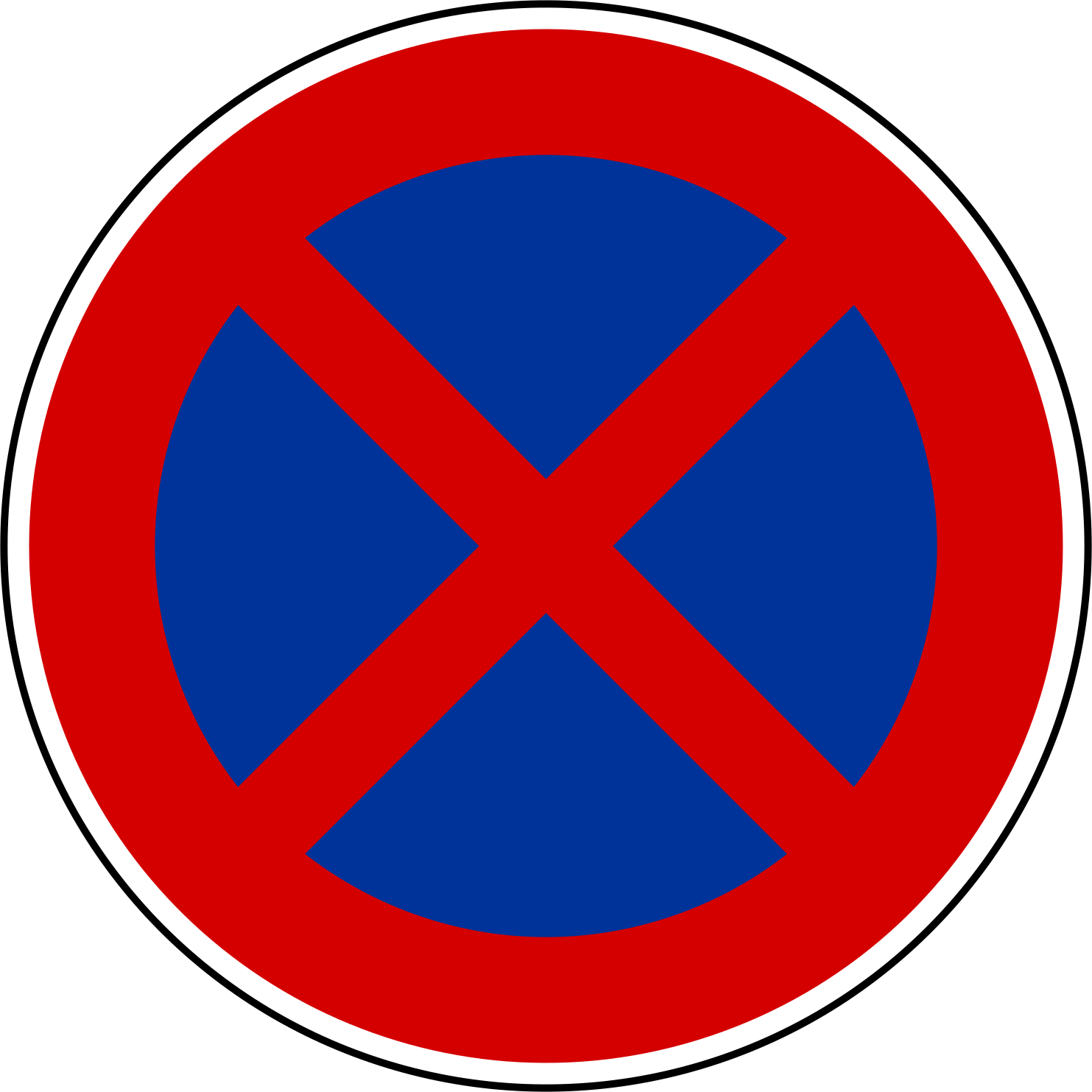
The no-parking sign (single bar) allows a brief stop (picking up or dropping off a passenger, loading or unloading). The no-stopping-and-parking sign (cross) prohibits any immobilisation of the vehicle, even for a few seconds.
Recap
- Round shape, red border, white background = prohibition (except no entry, which has a red background).
- The prohibition starts at the sign and ends at the next junction or at the end sign.
- Zone signs maintain the prohibition past junctions, until the end-of-zone sign.
- Sub-signs beneath the signs specify exceptions or the vehicle categories concerned.
- Two stacked signs are always read separately.
- The end-of-all-prohibitions sign does not remove no-stopping or no-parking restrictions.
- End-of-prohibition signs have a white background crossed with black, not red.
Test yourself
A prohibition sign takes effect:
- ○150 metres after the sign
- ✓Immediately at the sign
- ○At the next junction
- ○50 metres after the sign
Correct answer : Immediately at the sign
Which prohibition sign has a red background instead of white?
- ○No overtaking
- ○No lorries
- ✓No entry
- ○No turning
Correct answer : No entry
Sources: Sécurité routière (securite-routiere.gouv.fr) and service-public.fr.